Israeli cybersecurity company MazeBolt, which builds a platform to validate how effective distributed denial-of-service (DDoS) defenses are, announced a dedicated deployment of its RADAR solution for organizations protected by Akamai, one of the internet's largest infrastructure and security providers. According to the company, it lets organizations test continuously whether defenses actually stop attacks, find configuration gaps and get started within hours, without hurting service availability or the response times set in service-level agreements (SLAs).
A DDoS attack tries to knock a site or service offline by flooding it with enormous numbers of requests from many computers at once. The launch comes as such attacks intensify and attackers use more AI. According to an Akamai report from May 2026, the median duration of layer 3 and 4 DDoS attacks against the financial sector jumped 738% since 2024, which Akamai attributes to AI-based attack infrastructure. According to Akamai's 2026 State of the Internet report, the number of layer 7, application-layer, DDoS attacks rose 104% between 2023 and 2025, partly due to botnets for hire and AI attack tools that make it easier to target APIs and web applications.
The problem MazeBolt aims to solve is the gap between having a defense and its actual effectiveness. When an organization launches a new service, API or geographic region, its defense settings need updating, and gaps may go unnoticed until an attack hits a critical service such as a payment system. According to a 2025 MazeBolt survey of 300 security leaders in the financial sector, 86% of organizations test their DDoS defenses once a year or less. According to company data, when the system first tests an organization's production environment, about 37% of attack vectors bypass the deployed defenses.
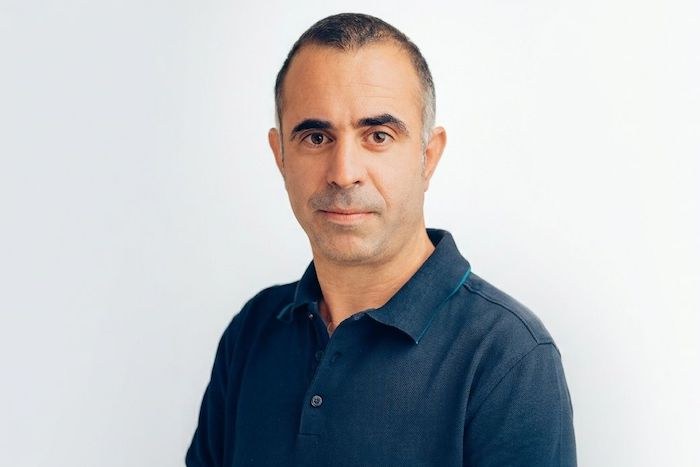
'Every new service and every API requires precise protection settings, and tests carried out a few times a year cannot keep up with the pace of change,' said Matthew Andriani, CEO and founder of MazeBolt. Eyal Rahimi, the company's VP of engineering, added: 'Having a defense in place does not mean its effectiveness has been proven. The question is whether it is configured correctly for every service, and whether it will really stop an attack when it counts.'
According to the company, the system produces reports with remediation recommendations and retests after each fix, so organizations can show evidence of their defenses' resilience to boards, regulators and insurers. Layer 7 support in Akamai environments is available now, and RADAR's standard deployment also covers defenses from other vendors, including AWS, Cloudflare, F5, Microsoft Azure, NETSCOUT and Radware. John Grady, principal analyst at research firm Omdia, said misconfigurations and outdated rules continue to cause many security incidents, and DDoS attacks are no different. The broader point: as attackers use AI to change attacks faster, testing once a year is no longer enough, and 'are we protected' becomes a question that has to be answered all the time.


