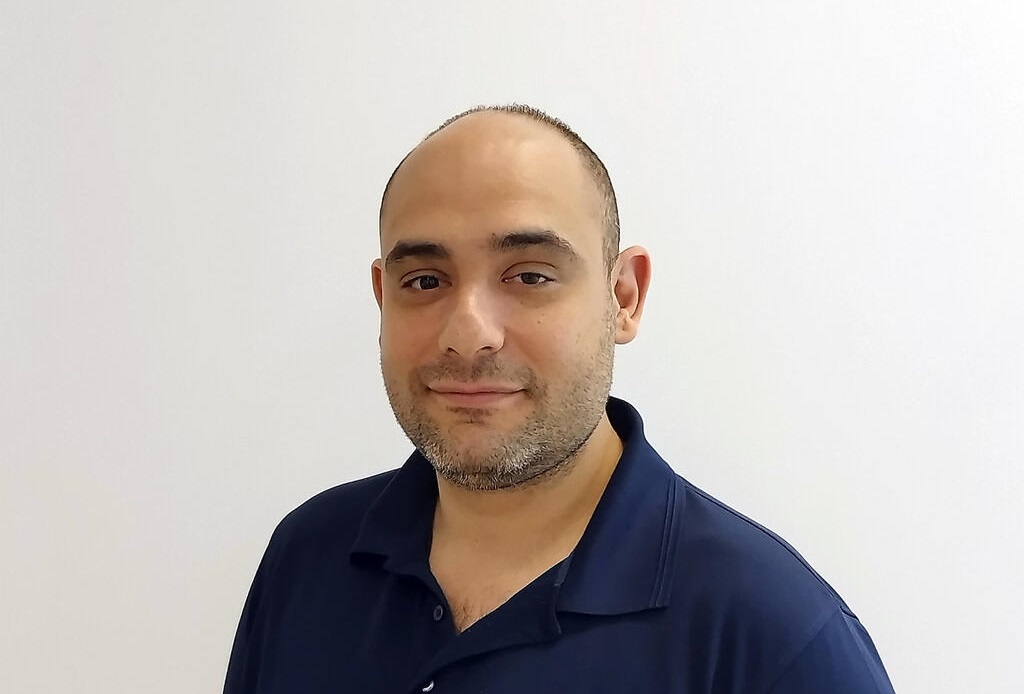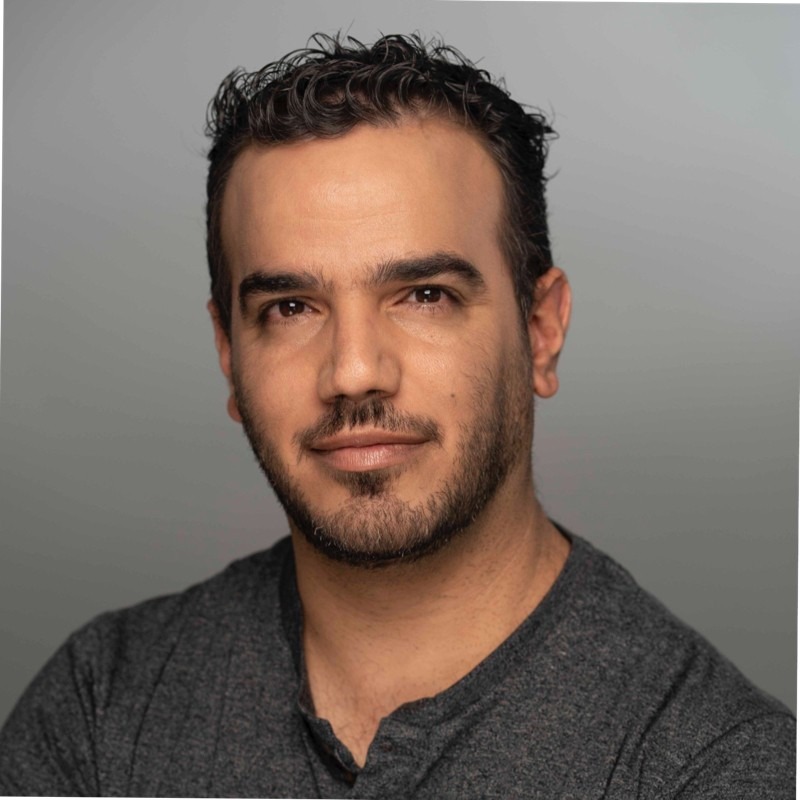
You are scrolling Facebook in the evening, and suddenly: a well-known businessman, in a video that looks completely real, recommends "an opportunity that won't come again". One link, a short form, and within minutes you are in a WhatsApp group with "experts" explaining how to double your money.
This is not a rare scenario. The Israel Securities Authority warns about people impersonating investment experts, financial journalists and senior analysts. A video impersonating Gilad Altshuler promised that anyone who bought three stocks would become a billionaire.
In September, a campaign ran on Facebook and Instagram using the logos of the Tel Aviv Stock Exchange and the Israel Electric Corporation. And here is what is troubling: in a Knesset hearing, Meta committed that every advertiser of financial ads to the Israeli public would be verified and identified by the end of June. The deadline has passed. The ads continue.
Why verification does not work
How is this possible? Part of the answer is simple: verification checks who opened the account, not necessarily who is using it today. A real, verified account that was hacked after verification can look to the system exactly as it did before. You check once, at the door, and trust forever.
This is not only Meta's problem. It is the problem of every organization that checks people, suppliers or systems once and assumes nothing has changed since.
How to spot an investment scam
First, a promise of a guaranteed or quick return. No serious investor promises you millions in a post. Another sign is a quick move to WhatsApp or Telegram. A "closed investor group" can be a trap. Pressure to act now should also raise suspicion. A real opportunity does not disappear in an hour.
And what about a familiar face in a sponsored video? Be careful here too. Senior business people do not usually recruit investors through social media ads. And if the video looks completely real, remember that today such a video can be produced in minutes.
What to do
Don't click, don't leave your details, and report the ad. Before any investment, check whether whoever offers investment advice holds the appropriate license from the Israel Securities Authority. And if you have already fallen for it, contact your bank and the police immediately. Speed matters.
Scammers don't need to break into any system. They just need us to trust one time too many.